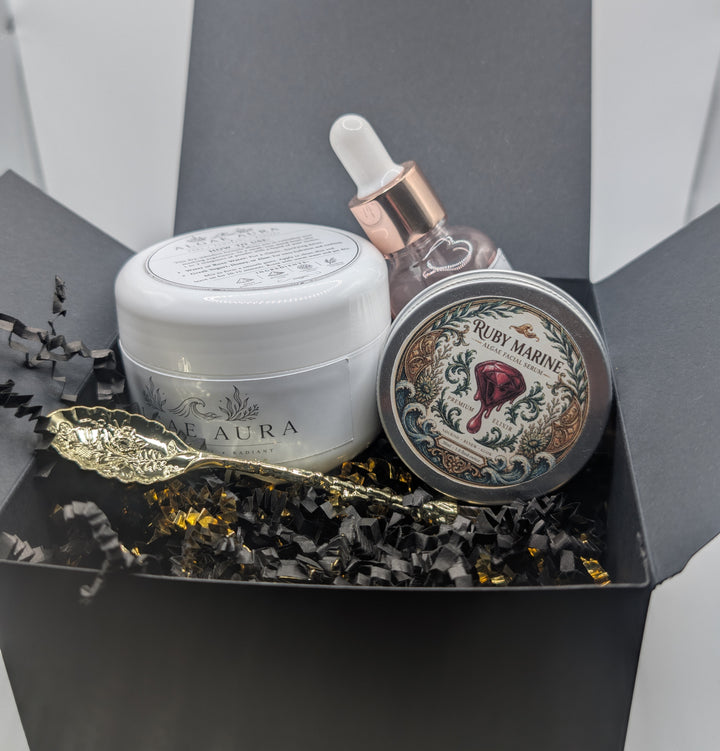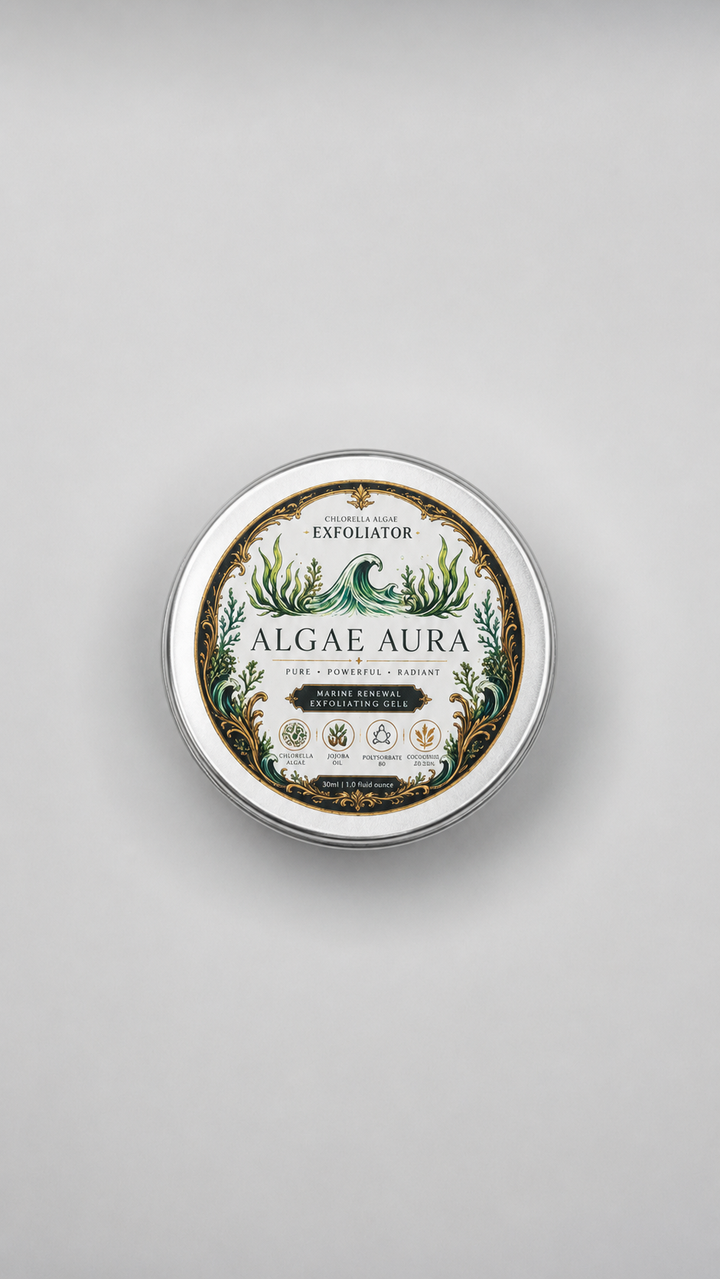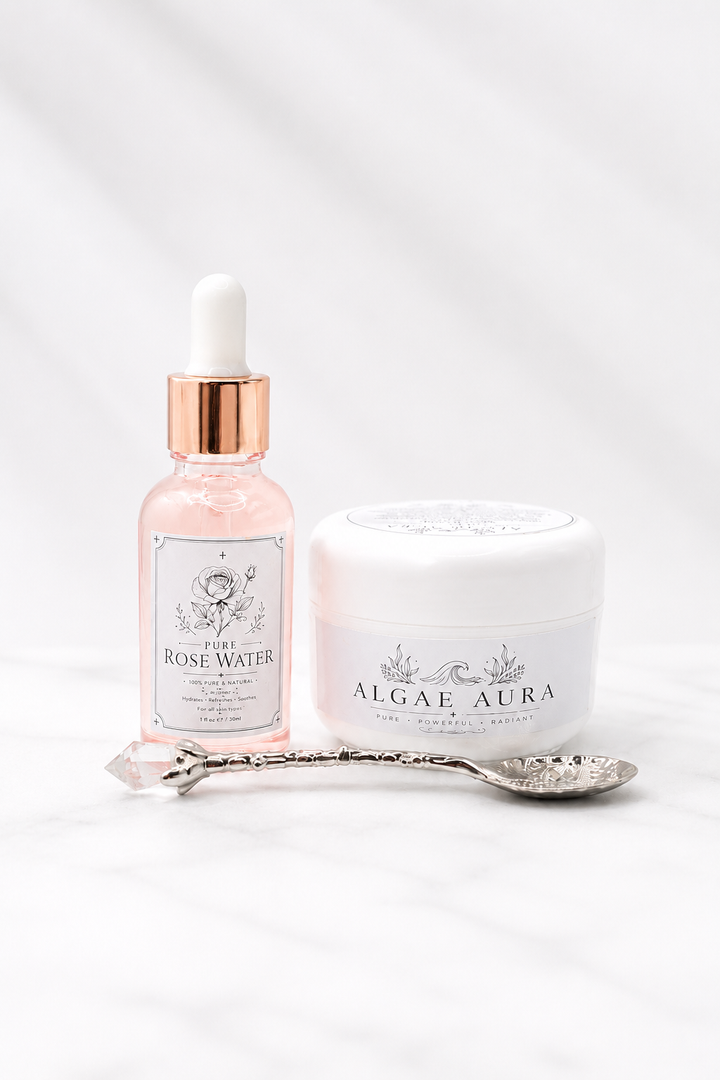
Emerald Clear Skin

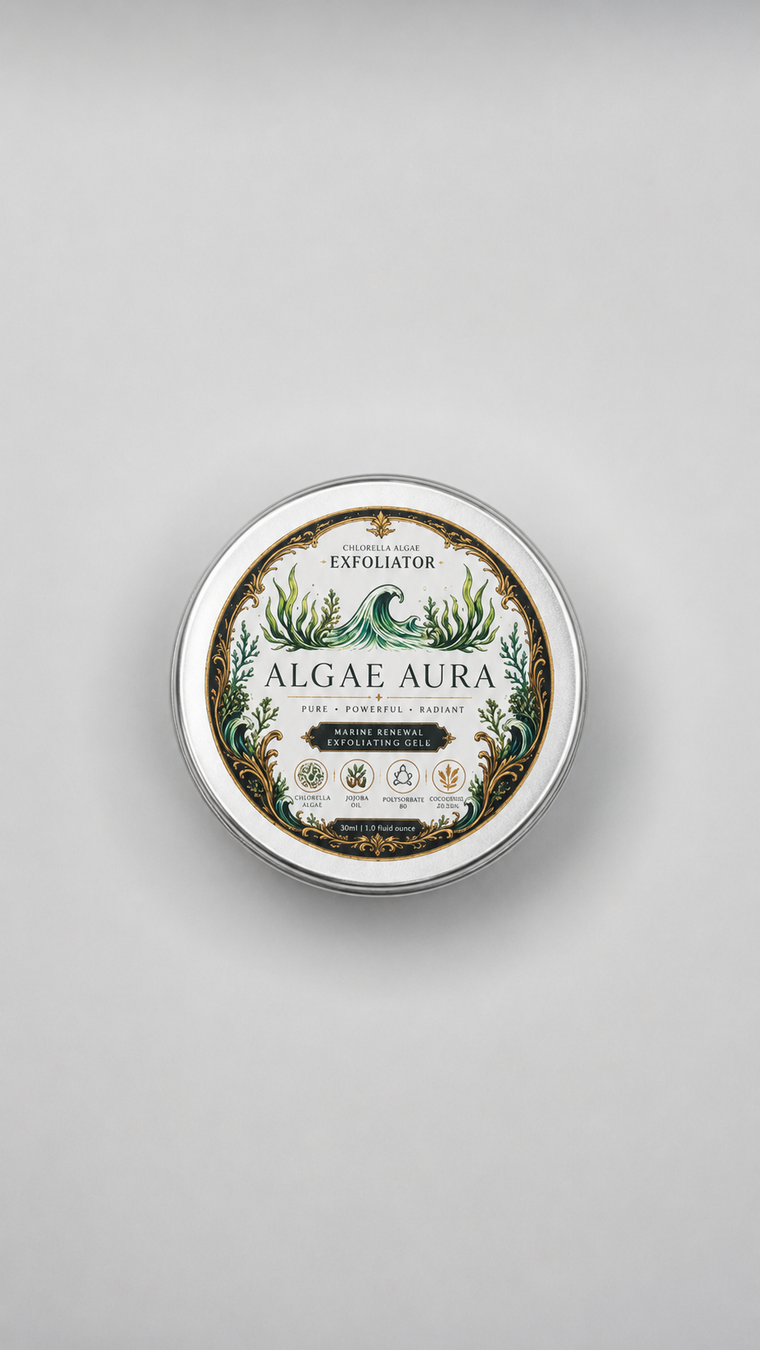
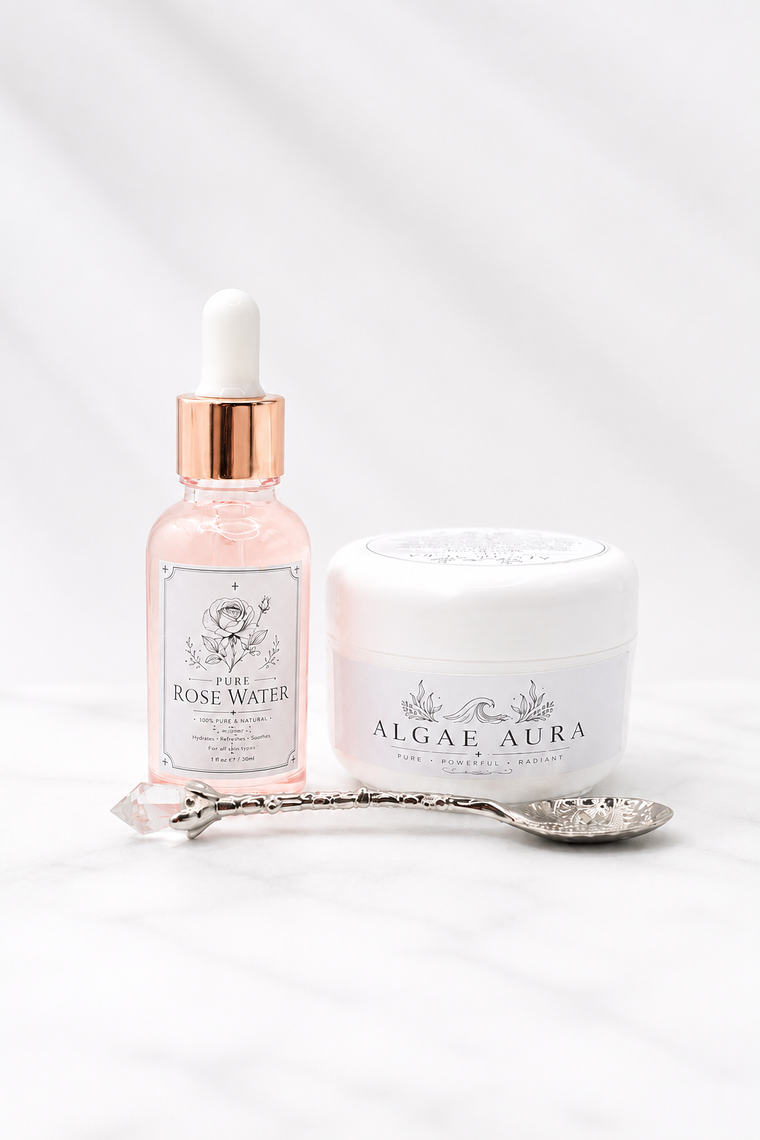
Emerald Restorative Salve

A 100% waterless, biomimetic restorative salve powered by oil-extracted Chlorella and Blue Tansy. Instantly cools redness, starves acne-causing bacteria without a single harsh chemical, and rebuilds your protective skin barrier overnight — because your skin doesn't need more aggression. It needs radical botanical relief.

  • 100% Non-Comedogenic
  • Zero Preservatives
  • Safe for Broken Skin
  • Small-Batch Crafted
  • Vegan
  • Cruelty-Free
Cancel or pause anytime. We'll email you 3 days before your next order.

How to use.

Step 01 — Cleanse

Start with damp skin

Gently cleanse and leave your skin slightly damp.

Step 02 — Warm

Melt the salve

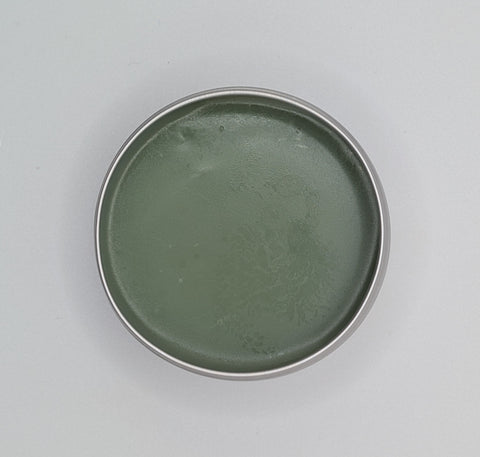
Because it has a strong structure in the tin, scoop a small amount and warm it between your hands until it becomes beautifully gooey and spreadable.

Step 03 — Press

Press, don't rub

Firmly press the warmed salve into your skin to lock in moisture and actively repair your barrier overnight.

Unique features of the Emerald Restorative Salve
Active Ingredients

Three ingredients.
One coherent formula.

The Standard We Hold

No ocean.
No compromise.

The Chlorella in this salve is cultivated inside a pristine freshwater closed-loop system — sealed from the open ocean and the contamination risks that come with it. Open-water algae can accumulate heavy metals, microplastics, and industrial runoff as a natural consequence of its growth environment. We remove that variable entirely.

The result is an ultra-clean crop, sustainably cultivated, and verified free from:

  • Marine pollutants
  • Heavy metals
  • Microplastics
  • Industrial runoff

When the ingredient is this biologically active, purity isn't a selling point. It's a clinical requirement.

Free from: parabens, synthetic fragrance, silicones, mineral oil, PEGs, and ocean-sourced contaminants.

Radical, Botanical Simplicity.

Contains chamazulene, a powerful anti-inflammatory compound that rapidly reduces visible redness, heat, and irritation on contact. This rare botanical gives the oil its distinctive blue color and acts as a botanical fire extinguisher for reactive, inflamed skin.

The Evidence

What the research actually says.

The claims on this page aren't ours alone. The mechanisms behind chlorella-derived oils have been studied for years across dermatology, cosmetic chemistry, and regenerative medicine.

  1. Collagen & UV-driven aging

    A study published in Phytotherapy Research (Chen et al., 2011) examined how chlorella-derived peptides behave on skin fibroblasts after UVB exposure. The researchers reported that chlorella-derived peptide diminished UVB-induced MMP-1 and restored procollagen mRNA — meaning it both blocked the enzyme that breaks collagen down and helped restart the body's own collagen production. That's the dual action our formula is built around.

    Chen et al., Phytotherapy Research (2011) · PubMed
  2. Regeneration — the PDRN fraction

    A 2023 review in Molecular Medicine Reports described PDRN as a mixture of deoxyribonucleotides that serves as an anti-inflammatory and tissue-regenerating agent, with documented effects on fibroblast proliferation, migration, and Type I collagen accumulation. Clinicians have used PDRN injectables for years to accelerate wound healing; what's new is delivering it topically through a stable lipid carrier — which is exactly what chlorella oil is.

    Molecular Medicine Reports (2023) · PubMed Central
  3. The carotenoid shield

    Lutein's absorption peak sits at 445 nm — squarely inside the blue-light band emitted by screens. A 2024 review in Nutrients on carotenoid skin protection notes that lutein filters radiation in the 400–475 nm range, protecting skin against oxidative damage. This is the molecular reason a single formula can address both screen fatigue and sun-amplified aging without an added SPF active.

    Bohn et al., Nutrients (2024) · PubMed Central

Further readingChen et al., Phytotherapy Research (2011) · Squadrito et al., Frontiers in Pharmacology — PDRN and skin wound healing (2021) · Bohn et al., Nutrients — Skin protection by carotenoid pigments (2024)

The Biotech Case

Why it's built this way.

Most "marine" or "plant" skincare oils carry a hidden cost: deforestation for palm, water-intensive monoculture for argan, or wild-harvest pressure for seaweed. Chlorella sidesteps all of it because it isn't farmed in a field — it's grown in closed fermenters under controlled light, fed CO₂ and minerals, and harvested in days rather than seasons.

The biotech case isn't marketing. A 2022 life-cycle assessment in the Journal of Cleaner Production on microalgal biomass production found that closed-system Chlorella vulgaris cultivation uses a fraction of the freshwater and arable land required by conventional oilseeds, while actively fixing atmospheric CO₂ during growth. In practical terms: every liter of this oil represents carbon pulled down, not extracted up.

That same closed system is what makes the actives reliable. Field-grown botanicals vary batch to batch — sunlight, soil, rainfall, harvest timing. A fermenter doesn't. The carotenoid load, the PUFA ratio, the PDRN fraction are all reproducible within tight tolerances, which is why the formula performs the same in January as it does in July.

And the "molecular vacuum" idea isn't poetic license. Chlorella's cell wall is unusually good at binding lipophilic pollutants — a property studied for decades in environmental remediation (see Suresh Kumar et al., Bioresource Technology, on heavy-metal and hydrocarbon biosorption by Chlorella species). On skin, that same affinity helps lift the smog-derived particulates and oxidized sebum that dull the complexion over a workday in a city.

Biotech beauty isn't a slogan we picked. It's the only honest description of how this salve is made — and why it works.

Explore the full Emerald line — oil, clarifying mask powder, and the complete ritual bundle.

View Emerald Collection